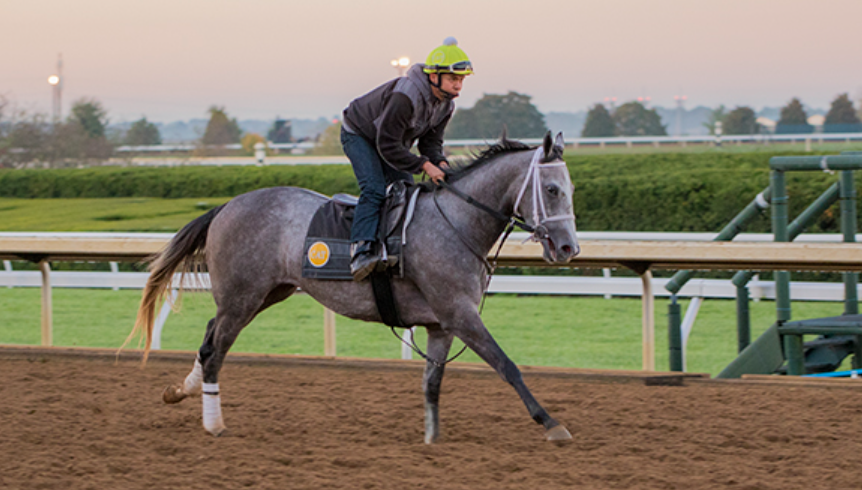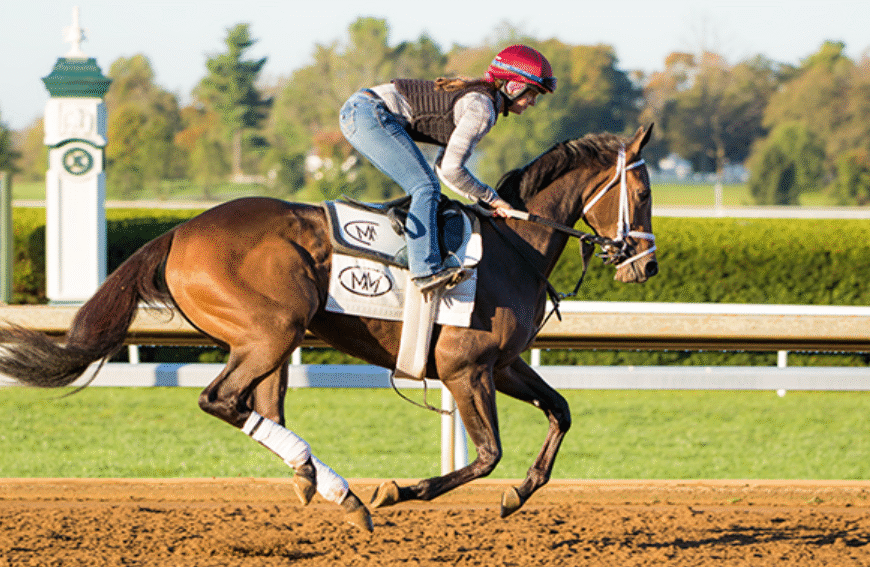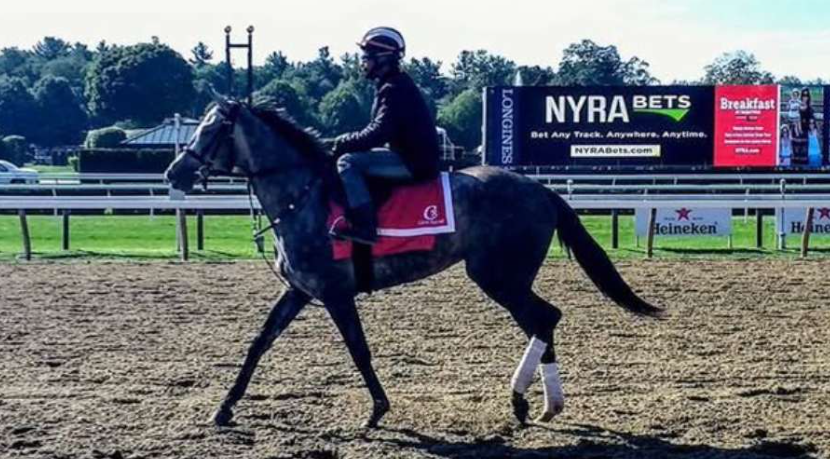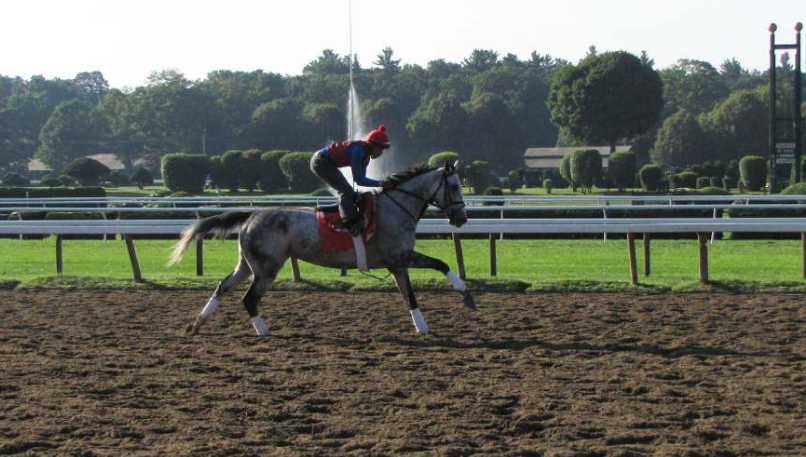

A racehorse’s coat serves as a crucial indicator of its overall health. A shiny and smooth coat reflects proper nutrition and grooming practices. Conversely, excessive shedding or unusual color changes may point to underlying health issues. Seasonal transitions should occur without significant texture changes, which can indicate nutritional deficiencies. Understanding these aspects of coat condition is essential for assessing a horse’s well-being and performance capabilities. What specific factors contribute to these changes in coat health?
The Importance of Coat Condition
The condition of a racehorse’s coat serves as a crucial indicator of its overall health and well-being.
Effective coat grooming practices, including regular brushing, enhance the coat’s luster and remove dirt.
Seasonal changes can impact coat quality; for instance, a thick winter coat may transition to a sleek summer coat.
Monitoring these variations is essential for assessing the horse’s health status and nutritional needs.
Signs of a Healthy Coat
A healthy coat exhibits several key characteristics that reflect the horse’s overall well-being.
A glossy, smooth texture indicates proper nutrition and effective grooming techniques. Additionally, the coat should be free of excessive shedding, with seasonal changes resulting in a uniform transition.
Regular grooming not only enhances appearance but also promotes skin health, further contributing to the horse’s vitality and performance.
Common Coat Issues and Their Implications
Identifying common coat issues is essential for maintaining a horse’s overall health. Abnormal coat color, such as fading or patchiness, can indicate underlying health problems.
Additionally, seasonal changes may affect coat texture and quality, leading to issues like excessive shedding or dullness. Monitoring these variations helps ensure timely interventions, fostering optimal health and performance in racehorses.
Nutritional Factors Affecting Coat Health
While various factors contribute to a racehorse’s coat health, nutrition plays a pivotal role in determining its quality and appearance.
Adequate intake of essential nutrients, including fatty acids, vitamins, and minerals, is crucial. Additionally, dietary supplements can enhance coat luster.
Proper hydration levels support skin elasticity, further improving coat condition. Together, these nutritional aspects significantly influence overall coat health in racehorses.
Conclusion
In conclusion, the condition of a racehorse’s coat serves as a barometer for its overall health, much like a ship’s sails signal the wind’s strength. A glossy, well-groomed coat reflects optimal nutrition and care, while dullness or shedding can indicate deeper issues. Just as a sailor adjusts their course based on the wind, horse owners must pay attention to coat condition to ensure their steeds are on the right path to performance and vitality.

 By
By