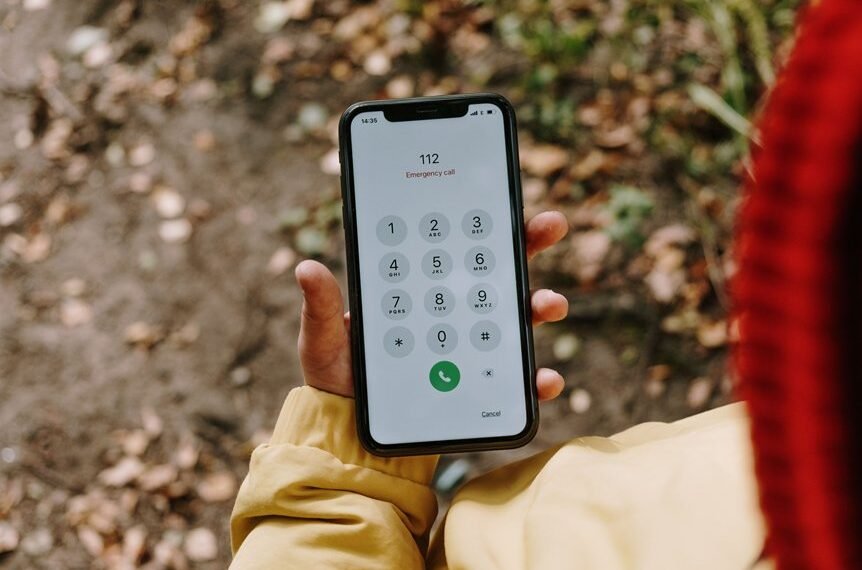
Operators emphasize verifying caller identity and purpose through verified channels before sharing any data. Documentation of responses follows each step, ensuring traceability. Focus remains on signal quality checks, then guided device restarts with testing after each action. Red flags should prompt immediate escalation to appropriate channels. If anomalies persist, objective criteria and documented observations drive the next steps, preserving trust and establishing repeatable resolution paths—a disciplined approach that invites further scrutiny.
What to Know About 1-866-923-9072 and Why It Matters
The number 1-866-923-9072 is a toll-free contact line that appears in various consumer and support contexts, but its origin, purpose, and legitimacy can vary by caller. This analysis delineates topic: 1 866 923 9072 and purpose: caller intent, emphasizing structured signals, carrier cues, and caller behavior. Clarity supports freedom, enabling informed interaction without speculation or deception.
How to Verify Caller Intent Before Sharing Information
To verify caller intent before sharing information, one should start by confirming the identity and purpose of the call through specific questions and verified channels.
The approach emphasizes careful verification steps, documenting responses, and avoiding haste.
Step-by-Step Fixes for Common Connection Hiccups
When connection hiccups occur, a structured, step-by-step approach isolates the fault and restores reliability.
Step-by-step fixes target common connection hiccups with clear, repeatable actions: verify caller intent, check signal quality, restart devices, and test after each step.
If issues persist, escalate concerns to appropriate support channels while documenting outcomes for future reference and improved resilience.
Red Flags, Safeguards, and When to Escalate Concerns
Red flags and safeguards emerge as critical signals to monitor during interactions with 1-866-923-9072, enabling proactive risk mitigation and timely escalation. The analysis focuses on caller intent, identifying red flags early and applying safeguards to preserve trust.
When anomalies arise—connection hiccups or incomplete verification steps—escalate concerns promptly, documenting observations and maintaining clear, objective criteria for escalation.
Frequently Asked Questions
Can Scammers Spoof Legitimate 1-866-923-9072 Numbers?
Yes, scammers can spoof legitimate numbers like 1-866-923-9072. The discussion notes scam indicators, spoofing risks, fraud prevention, and call verification as essential tools to reduce harm and empower defenders with informed choices.
How to Report the Number if You Suspect Fraud?
To report suspected fraud, contact local law enforcement and file a complaint with the FTC; preserve evidence. The approach emphasizes fraud reporting and scam identification, guiding concerned individuals toward official channels while maintaining an independent, freedom-respecting stance.
Is There a Official Helpline for 1-866-923-9072?
Official helpline legitimacy verified, verification steps outlined. The question seeks an official number; authorities caution caution. The number’s authenticity requires official sources. Verification steps include checking with trusted registries, official websites, and direct confirmation from the organization.
What Information Should Never Be Shared Over Unknown Calls?
Information leakage should never occur; unknown calls require vigilance and skepticism. The careful responder emphasizes call verification, avoids sharing sensitive data, and notes that any request for codes or passwords is suspect, supporting safe, freedom-conscious decision making.
Do Voip Services Affect Call Verification and Detection?
Like a lighthouse guiding ships, VoIP services affect call verification and Detection capabilities by shaping signal paths. VoIP call verification remains possible, but accuracy varies; detection capabilities rely on metadata, signaling, and network behavior rather than traditional PSTN traces.
Conclusion
Conclusion: Verification and documentation anchor every resolution. By confirming caller intent through verified channels, recording responses, and performing methodical signal checks with incremental restarts, technicians build a resilient, repeatable process. If anomalies emerge, objective criteria guide escalation without rushing disclosures. This disciplined approach—paired with clear, calm communication—transforms uncertainty into trust. Like a lighthouse in fog, consistent steps illuminate the path from suspicion to resolution, ensuring secure, dependable outcomes for every interaction.


 By
By




 By
By