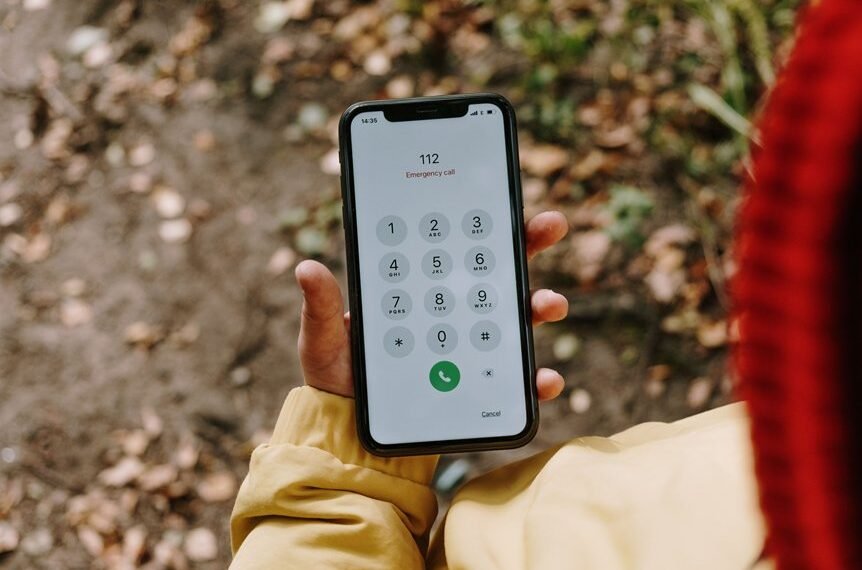
Unknown calls and spam texts tied to 4696634430 raise recurring privacy concerns. This piece clarifies what the number might signal, how to verify legitimacy, and practical blocking and privacy steps. It stays methodical and user-focused, offering clear actions rather than speculation. The discussion ends with a practical prompt to apply safeguards and consider next steps when disruption persists. A measured approach helps maintain control, but there is more to explore before fully settling the issue.
What 4696634430 Could Be Trying to Tell You
What could 4696634430 be signaling? The number may indicate recurring contact patterns or potential disruption. A methodical review highlights practical steps: assess blocked calls, adjust privacy settings, and implement nuisance resolution options.
Awareness of scams informs alertness without panic. Users pursue freedom through control: restrict unknown numbers, document incidents, and seek verification when needed, preserving autonomy and security.
How to Verify If Calls or Texts Are Legitimate
To determine whether calls or texts are legitimate, a structured verification approach is applied. Verification methods prioritize source indicators, message consistency, and cross-checks with trusted contacts.
Caller authentication tools assess sender identity, regional patterns, and call metadata. The process emphasizes transparency and user autonomy, enabling informed decisions while maintaining privacy. Confidence grows through corroborated data and clear, repeatable criteria.
Practical Steps to Block Nuisances and Protect Privacy
Practical steps to block nuisances and protect privacy begin by identifying common intrusion points—calls, texts, and app notifications—and then applying targeted controls. The approach emphasizes privacy safeguards, enabling users to customize blocking rules, adjust alert settings, and review permissions. Nuisance prevention relies on consistent monitoring, minimal data sharing, and rapid response to suspicious activity, preserving freedom while safeguarding personal boundaries.
Troubleshooting and Ongoing Safety Measures for Your Number
Effective troubleshooting and ongoing safety measures for a phone number begin with a structured diagnostic approach, isolating common issues such as unexpected calls, spam texts, or app notification glitches, then applying targeted remedies.
The process emphasizes concern assessment and authenticity checks, guiding users to verify contacts, review permissions, and implement layered defenses while maintaining autonomy and freedom in digital communication.
Frequently Asked Questions
Can a Number Trigger Identity Theft Alerts Unexpectedly?
Yes, a number can trigger identity theft alerts unexpectedly. The system flags unusual activity, prompting confidentiality concerns and scam detection triggers, which may occur even without confirmed misuse, emphasizing user-focused safeguards and freedom through proactive monitoring.
Do Scams Target Certain Call Patterns or Times?
Scams do target certain call timing patterns and call frequency indicators to maximize success. questioners note activity spikes, repetitive intervals, and atypical hours. A cautious consumer analyzes scam timing patterns and call frequency indicators to protect personal information.
How Often Should I Update Call-Blocking Apps?
Update frequency depends on threat levels and app reliability; generally weekly to monthly is prudent. As data shows, regular refresh reduces gaps. A single line with two two word discussion ideas about Subtopic not relevant to Other H2s listed above.
Will Changing My Number Affect Legitimate Contacts?
Changing number may disrupt some legitimate contacts temporarily, but careful updating preserves essential connections. Call blocking apps remain effective, while identity theft alerts provide ongoing safeguards; legitimate contacts can be re-listed quickly, maintaining user freedom and security.
Are There Legal Steps Against Persistent Scammers?
Silence and alarm juxtapose as authorities pursue legal steps against persistent scammers; the approach is methodical and user-focused. The strategy emphasizes scam avoidance, rigorous reporting, and legal avenues designed to empower individuals seeking freedom from abuse.
Conclusion
The article closes with a brisk, methodical wink: 4696634430 is not a cosmic threat but a nuisance to be managed. The reader is urged to verify sender legitimacy, implement layered blocking, and tighten privacy settings—all while documenting incidents for accountability. Satire slips in to remind that overreliance on hope defeats spam filters, yet calm, systematic steps keep autonomy intact. In short, control the noise without surrendering calm, and your number remains a trusted line, not a liability.


 By
By



 By
By