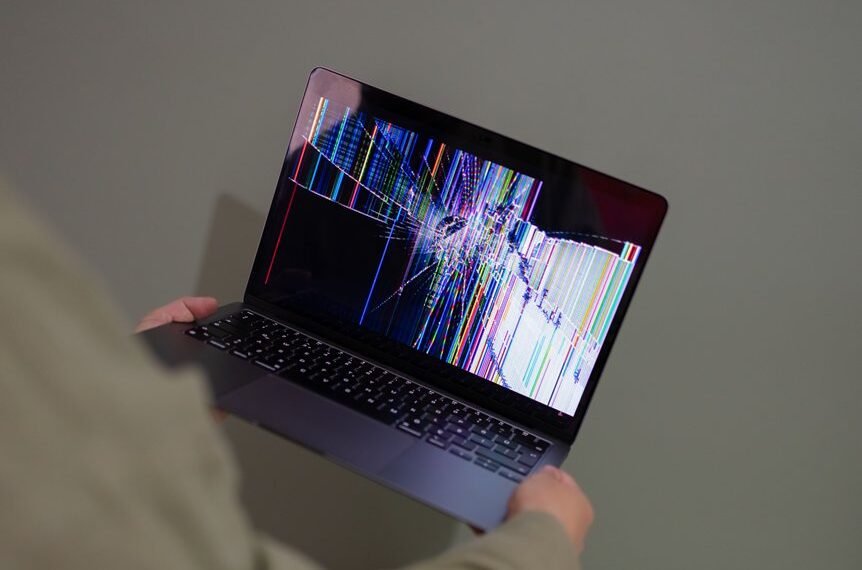
When Unexpected Trouble Occurs with 6049012250, start with a clear framing of the problem and gather targeted data to localize the issue. Begin a stepwise troubleshooting log, validate configurations, and perform quick connectivity and resource checks. Consider practical workarounds to buy time, while documenting each action and monitoring outcomes. If downtime looms, implement staged rollbacks and buffer strategies, then escalate with precise incident details to preserve ownership and governance. The next action hinges on what the initial checks reveal.
Identify the Root Cause Quickly
A rapid and systematic approach to identifying the root cause begins with clearly framing the problem and collecting targeted data.
The analysis emphasizes a concise root cause assessment, enabling a quick diagnosis and structured troubleshooting steps.
Focused information gathering informs escalation criteria, guiding decisive actions to minimize downtime.
This disciplined method supports freedom through transparency, accountability, and objective problem framing.
Core Troubleshooting Steps You Can Try Now
Core troubleshooting begins with a structured, stepwise assessment to quickly localize the issue and prevent unnecessary downtime. A disciplined approach minimizes ambiguity, closing identity gaps between symptoms and causes. The troubleshooting mindset emphasizes hypothesis testing, data collection, and verification.
Stepwise checks include configuration validation, connectivity tests, and resource monitoring, while documenting findings for informed decisions and rapid containment.
Practical Workarounds to Minimize Downtime
Practical workarounds to minimize downtime focus on proactive, rapid-response techniques that maintain service continuity while underlying issues are diagnosed. Findings revealings indicate buffer strategies, staged rollbacks, and parallel processing to sustain operations during fault isolation. Troubleshooting guidelines emphasize clear prioritization, minimal handoffs, and documented actions. The approach preserves user experience, reduces risk, and accelerates recovery without compromising long-term stability or governance.
When to Escalate and What Information to Gather
When should escalation occur and what information should be collected to support it? Escalation happens when issue scope exceeds the team’s authority or defined escalation criteria. Gather precise details: incident timeline, affected services, user impact, replication steps, logs, error messages, and prior workarounds. Document ownership, expected resolution target, and any safety or compliance considerations to facilitate swift decision-making.
Frequently Asked Questions
How Can I Verify 6049012250’s Warranty Status Quickly?
The verification status can be obtained through a warranty lookup with the device serial; if needed, remote diagnostics may confirm hardware faults. This approach provides a concise path to verify warranty status quickly and securely.
What Logs Indicate a Hardware vs. Software Fault?
A thunderbolt of evidence reveals logs showing hardware issues with disk SMART errors or fan faults, versus software faults indicated by stack traces and crash dumps; diagnostics tools confirm data integrity, urgent outage protocol triggers warranty verification protocols.
Which Tools Are Safest for Remote Diagnostics?
Remote diagnostics should rely on safety tools that minimize risk; reputable vendors provide encrypted connections, access controls, and auditable logs. The safest approach prioritizes non-invasive checks, read-only sessions, and explicit user consent to maintain freedom and security.
Can I Revert Changes Without Affecting Data Integrity?
Yes, they can undo changes without compromising data integrity; careful rollback preserves structure, while verifications confirm consistency. The approach maintains data integrity, enabling safe reversion and maintaining operational autonomy, with precise documentation guiding future freedom to adjust.
What Is the Recommended Contact Protocol for Urgent Outages?
An urgent outage protocol exists, emphasizing rapid escalation and clear roles. It emphasizes remote diagnostics safety, with predefined contact tiers and SLAs to ensure timely notifications, coordinated responses, and minimal operational disruption.
Conclusion
In the clockwork of systems, the fault mirrors a hidden hinge. The quick frame—define, gather, test—unmasks the door to resolution, even as shadows linger at the threshold. The decisive cadence of checks and rollbacks steadies the machine, like a lighthouse through fog. When lines fail, precise data becomes the keel; when teams act, governance charts the voyage. Ultimately, anticipation preserves continuity, and lessons etched now guard future passages, guiding the voyage back to solid ground.


 By
By




 By
By